


As a kennel supplier, I've had the privilege of working closely with pet owners, breeders, and animal shelters to understand the unique needs of small animals when it comes to their living spaces. Small - animal kennels are not just simple enclosures; they are carefully designed habitats that must meet a variety of special requirements to ensure the well - being and comfort of the animals.
1. Size and Space
One of the most fundamental requirements for a small - animal kennel is appropriate size. Different small animals have different space needs. For example, a guinea pig needs a cage that is at least 7.5 square feet for a single guinea pig, and more space is required if there are multiple guinea pigs. This allows them to move around freely, exercise, and engage in natural behaviors such as running, hopping, and exploring.
Rabbits also need ample space. A rabbit's living area should be large enough for them to stretch out fully when lying down, stand up on their hind legs without hitting their heads, and make a few hops. A small, cramped kennel can lead to stress, obesity, and other health problems for these active animals.


For small dogs, the size of the kennel depends on the breed and size of the dog. A Chihuahua, for instance, can be comfortable in a relatively smaller kennel, but a larger small - breed like a Cocker Spaniel will need more room. The kennel should be long enough for the dog to lie down straight and turn around easily.
2. Ventilation
Proper ventilation is crucial in a small - animal kennel. Stagnant air can lead to the buildup of ammonia from urine, which can irritate the animals' respiratory systems. Good ventilation helps to remove odors, moisture, and harmful gases from the kennel.
In a well - ventilated kennel, fresh air can circulate freely. This can be achieved through the use of vents, mesh panels, or open - air designs in appropriate climates. For indoor kennels, fans can be used to improve air circulation. However, it's important to ensure that the ventilation does not create drafts that could make the animals too cold.
3. Comfort and Bedding
Small animals need a comfortable place to rest and sleep. High - quality bedding is essential. For small rodents like hamsters and gerbils, materials such as aspen shavings or paper - based bedding are good choices. These materials are soft, absorbent, and help to keep the animals warm.
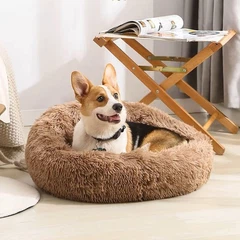
Dogs and cats in kennels also need comfortable bedding. You can check out our Colorful Plush Dog Bed, which provides a soft and cozy place for your furry friends to relax. The plush material is gentle on their paws and bodies, and it can help to reduce pressure points.
Rabbits prefer soft hay as bedding, which also serves as a source of food for them. The bedding should be changed regularly to keep the kennel clean and prevent the growth of bacteria and fungi.
4. Safety
Safety is a top priority in a small - animal kennel. The kennel should be made of non - toxic materials. For example, the paint used on the kennel should be pet - safe, and any plastic or metal components should not have sharp edges that could cut or injure the animals.
The kennel should also be escape - proof. Small animals are often very curious and agile, and they can find ways to escape if the kennel is not properly secured. Latches should be strong and difficult for the animals to open on their own.
In addition, the kennel should be protected from external threats such as predators. If the kennel is located outdoors, it should be placed in a secure area, and the structure should be strong enough to withstand the attempts of larger animals to break in.
5. Hygiene
Maintaining good hygiene in the small - animal kennel is essential for the health of the animals. The kennel should be easy to clean. Smooth surfaces are preferable as they are easier to wipe down and disinfect.
Regular cleaning schedules should be established. This includes daily removal of feces and soiled bedding, and a more thorough cleaning of the entire kennel at least once a week. Disinfectants used should be safe for the animals.
For water and food containers in the kennel, they should be cleaned daily to prevent the growth of bacteria. Water should be fresh and changed regularly to ensure the animals stay hydrated.
6. Enrichment
Small animals need mental and physical stimulation to stay healthy and happy. A kennel should be designed to provide some form of enrichment. For small rodents, this can include tunnels, chew toys, and exercise wheels. These items help to keep the animals active and prevent boredom.
Dogs and cats in kennels also benefit from enrichment. You can provide them with puzzle toys, balls, or ropes to play with. Our Plush Dog Kennel can be equipped with various toys to keep your dog entertained.
Rabbits enjoy having things to chew on, such as wooden blocks, and areas to hide in, like small boxes or tunnels.
7. Temperature Control
Small animals are sensitive to temperature changes. The kennel should be maintained at an appropriate temperature. For example, guinea pigs are comfortable in temperatures between 65 - 75°F (18 - 24°C). If the temperature is too high, they can suffer from heatstroke, and if it's too low, they can get cold and develop respiratory problems.
In colder climates, heating elements can be used in the kennel, such as heat pads or heated blankets. However, these should be used with caution to prevent burns. In warmer climates, cooling methods like fans or air - conditioning may be necessary.
8. Visibility
It's important for pet owners and caretakers to be able to see the animals in the kennel easily. Good visibility allows for quick monitoring of the animals' health and behavior. Transparent or mesh panels in the kennel can provide this visibility.
For example, in a dog kennel, a clear front panel can allow the owner to see if the dog is eating, drinking, or showing any signs of distress. This is especially important for animals that may be prone to certain health issues.
Conclusion
In conclusion, a small - animal kennel must meet a wide range of special requirements to ensure the health, comfort, and well - being of the animals. From appropriate size and ventilation to safety, hygiene, and enrichment, every aspect plays a crucial role.
If you're in the market for a high - quality small - animal kennel that meets all these requirements, we're here to help. Our products, such as the Corduroy Dog House, are designed with the best interests of your pets in mind. We invite you to contact us for more information and to discuss your specific needs. Whether you're a pet owner looking for a perfect home for your furry friend or a breeder or shelter in need of multiple kennels, we're ready to assist you in finding the right solutions.
References
- "Small Animal Housing and Care" by the American Association for Laboratory Animal Science.
- "The Welfare of Small Companion Animals" by the World Small Animal Veterinary Association.