


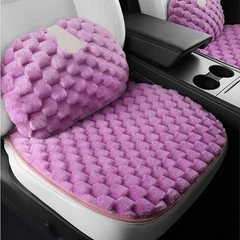
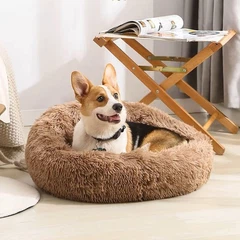
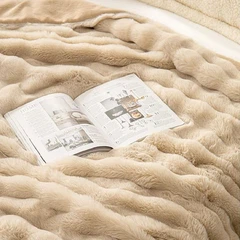
Sofa Cushion
Why Choose Us
Our Service
We have one-on-one dedicated service personnel from ordering and consultation to real-time management of the entire order process. Each product has dedicated label tracking and a full-year after-sales warranty.
Our Factory
The company has a total of 20 professional and innovative talents and mainly produces household products. The company is committed to the industry, effectively promotes joint ventures and cooperation with major industries, and serves the society and users with the idea of industrialization development.
Our Certificate
Have TC certificate.
Customized Service
We have one-on-one dedicated service personnel from ordering and consultation to real-time management of the entire order process.
The standard material sofa cushion are made from is foam. This is because foam is well-known for being firm, comfortable and low maintenance. They're a very durable material, plus they're ideal for those who suffer from allergies. If you're looking for an affordable material where you don't need to spend a lot of time plumping then foam will be your best bet.


Benefits of Sofa Cushion
Sleek and Contemporary Design
Sofa Cushion often have a minimalist and modern appearance, making them suitable for contemporary interior styles. Their clean lines and simple design can enhance the overall aesthetics of a room.
Comfort and Support
With a continuous cushion, there are no seams or gaps between seat cushions, providing a more even and consistent level of comfort and support. Some people find it cozier and more comfortable to lounge on a single, larger cushion.
Versatility in Seating
A Sofa Cushion offers a seamless seating experience, allowing people to sit, lie down, or curl up without being constrained by cushions or gaps.
Easy to Maintain
Cleaning a Sofa Cushion is generally easier since there are no separate cushions to remove and clean. You can simply vacuum and spot clean the single cushion to keep it looking fresh.
Space-Saving
As these sofas usually have a more compact design, they can be a great space-saving option, particularly for smaller living areas or studio apartments.
Comfortable Napping Spot
Due to the absence of gaps between cushions, a Sofa Cushion can serve as a comfortable spot for a quick nap or a place for guests to sleep when needed.
Design Flexibility
While Sofa Cushion often have a contemporary look, they come in various styles and materials, allowing you to find one that matches your interior decor and personal taste.
Fewer Maintenance Issues
Unlike multi-cushion sofas, there are no issues with cushions shifting or losing their shape, as there's only one large cushion to maintain.

High-density foam cushions
This is the standard filling material for most sofas. While it can sometimes feel stiff when brand-new, it will soften and become more comfortable over time.
Down-filled cushions
These cushions are soft and luxurious. They're made up of a thinner foam core that's covered in a thick layer of polyester, a layer of down, and another layer of polyester. These layers make cushions that are noticeably soft and pillow-like. While they offer superior comfort, they're also prone to changing shape.
Polyester or synthetic fiber cushions
These cushions tend to be the most cost-effective and offer a range of customizable style options. This type of cushion is popular amongst homeowners due to their versatility and ease of cleaning.
Cotton or Polyester Batting
Batting is used to line the section between the upholstered fabric cover and the inner material. Batting helps create a softer barrier between something dense like foam core and the upholstery on the outside.In addition to a softer layer, cushion batting also provides a protective layer between potential upholstery staining liquids and the inner cushion. When cleaning up after stains or spills, the less you have to clean, the better, and batting helps keep the damage a bit more limited.
Cotton
Cotton has been a popular cushion material for decades and is used in many sofa cushions as filling or batting. Cotton fibers are stuffed in the same way a teddy bear would be stuffed, into the cushion, creating a firm or loose cushion depending on the amount of cotton used.Cotton stuffing is one of the more rarely used materials in sofa stuffed cushions. Cotton is made from a plant fiber that is known for clothing and many other useful materials. Cotton stuffing is used much in the same way as the next stuffing item on our list, which is..
Polyester
Polyester is the synthetic fabric alternative to cotton created in 1941 by British chemists John Rex Whinfield and James Tennant Dickson. The fabric became associated with cheap clothing in the 80s but is a useful synthetic product that makes a great sofa cushion.Polyester is primarily used in sofa backs and throw pillows which do not require as much support as seating cushions require.Much like cotton is used, polyester stuffing is used to fill the cushion to whatever level of density the sofa design calls for. Polyester is a more affordable alternative to cotton and can be made in less time than cotton takes to grow.
Cushion Foam Core
Memory foam and foam core are among the few good things brought about by the cold war space race in the 70s and 80s. NASA was in a big hurry to get to the moon, and they needed a lightweight material and could absorb impact better than any other materials.The material that the scientists and engineers at NASA developed became known as memory foam. This dense foam material could mold around an object's shape while protecting and supporting the said object.
Fantastic Foam
Replace the old couch cushion filling with new foam inserts. Standard couch cushion sizes are available in high-quality foam pieces, or you can cut a custom design to fit an irregular cushion size. Choose a foam insert for the seat and back cushions based on the firmness you prefer.
Simply Soft
Natural feathers and down are used to fill the Super Soft Fill couch cushions for the ultimate in soft comfort. The outer covering of ducks and geese is made up of feathers, whereas down is the light, fluffy layer beneath the feathers.
Zip And Flip It
Cushion casings with zippers make it easy to remove the old stuffing and insert new filling. If the existing cushion covers lack zippered edges, snip the stitches along with one of the casing seams, insert an upholstery zipper, and sew it in place to allow simple access to the stuffing materials inside. When possible, rotate and flip the seat and back cushions to provide more even wear and tear on the upholstered casings and cushion filling, regardless of the type of filling you choose for your sofa cushions.

Material
The material of your sofa cushions plays a significant role in their comfort and durability. Here are some common materials and their pros and cons:Linen cushions are soft and breathable, but they may not hold up as well to heavy use.Velvet cushions are luxurious and comfortable, but they require more careful cleaning.Leather cushions are durable and easy to clean, but they may not be as comfortable in hot weather.
Size
The size of your cushions should complement the size of your sofa. A large sofa can accommodate larger (60x60 cushion covers for example), more substantial cushions, while a smaller sofa may look better with smaller cushions.However, it's not just about the size of the sofa; you also want to consider the scale of the room and the other furniture in it.
Shape
Cushions come in various shapes, each of which can contribute differently to your sofa's look and feel. For example:These are the most common and versatile. They're great for both sitting and lounging.These provide excellent lower back support and can add an interesting visual element.These can soften the straight lines of a modern sofa, but they're less supportive for lounging.
Color and Pattern
When considering how to choose cushions for your sofa, color and pattern are key. You'll want to select colors and patterns that complement your sofa and the overall decor of your room. Consider the color of your sofa, walls, and other furniture.A contrasting color or pattern can add a pop of color, while a more similar color will give a more subtle, refined look.
Number
The number of cushions you choose can depend on the size of your sofa and your personal preference. A larger sofa can handle more cushions, but you don't want to overdo it.
Ways to Fix Sagging Couch Cushions
Rotate and flip your cushions
A simple but effective way to combat sagging is to rotate and flip your couch cushions regularly.Over time, people tend to sit in their favorite spots on the couch, causing uneven wear on the cushions. Rotating and flipping the cushions ensures that different parts of the cushion receive equal pressure. You also allow the sofa filling to recover its original shape.This evens out the wear and tear and distributes the filling, preventing one side from becoming significantly more compressed than the others, allowing it to regain its loft and resilience.
Beat and fluff the cushions
Beating or fluffing the cushions is another quick way to improve the appearance and comfort of sagging couch cushions. While this may sound violent and damaging, beating or fluffing the cushions simply involves lightly hitting or shaking them to redistribute the filling, such as foam, feathers, or down, inside the cushions.This helps to restore the cushions' shape, plumpness, and loft by loosening compacted material and reducing the appearance of sagging.
Replace the foam inserts
If you find that your sofa is losing its firmness, remove the existing foam insert core and replace it with a new one. This is a cost-effective solution to revive your cushions compared to buying new cushions or a sofa.Replace the inserts with high-density foam as it is durable and can withstand regular use over an extended period. This makes it a long-lasting solution that can significantly extend the lifespan of your couch cushions, reducing the need for frequent replacements or repairs.
Re-stuff the filling
Feather and down sofa fillings are a popular choice as they offer cloud-like comfort - but they are extremely high maintenance and require regular fluffing to maintain their loft and prevent clumping.If you're experiencing sagging in your feather or down-filled sofa, consider restuffing the cushions or adding additional filling such as foam. After you've filled the sofa cushions, remember to fluff them and shake them well to evenly distribute the filling and keep the cushions firm for longer.
How To Keep your Sofa Cushions Clean
Pre-Clean
Using a vacuum cleaner on your sofa cushions is a great way to remove loose debris and dirt like crumbs and dust.By using an upholstery brush attachment on your sofa, you not only remove surface-level dirt from the cushion, but you can also clean the nooks and crannies of the sofa itself in places where dirt and grime will gather.
Pet Hair
As much as we love our furry friends, pet hair can be tricky to remove, especially during times of the year when shedding is heavier or if you own a breed with thick fur. Using a vacuum should remove most hair, but we have steps to follow to ensure your sofas are free from pet hair.
Rubber Glove
Using a clean rubber glove to scrub over the cushions is a great way to remove excess pet hair as it will stick to the band and can be picked up and binned.
Damp Sponge
You can use a damp sponge or cloth and wipe the cushions in one direction to ball up the hair and collect it on the sponge or cloth.
Stain Removal
Removing stains off any surface can be tricky, but when it comes to the fabric sofa cushions that typically go with rattan and wicker furniture, you want to clean up a stain as soon as a spillage occurs. Soak up any excess liquid using a clean cloth or paper towel while the spillage is still damp; use bleach-free washing up liquid and cold water to gently scrub the spot with a clean white towel. Use the same towel, remove the soap, and use a dry cleaning solvent if the mark is still there.
Steam Cleaning
If you own a steam cleaner, steam cleaning your sofa cushions is a great way to remove stains, lift stubborn dirt, and gather pet hair all in one go.Please check your cushions to ensure they are suitable for this before steam cleaning, as this process can damage some sofa cushion materials.
How To Make Sofa Cushion Firmer?
Rotate and Flip
One of the easiest ways to make your sofa cushions firmer is to rotate and flip them regularly. Over time, the constant pressure from sitting in the same spot can cause the cushions to lose their shape & firmness. By rotating and flipping them, you distribute the wear and tear more evenly, helping to maintain their original form. You can also switch cushions within the sofa (assuming cushions are the same size) this is apt if you have your favorite spot on the sofa.
Add Supportive Foam Under Cushions
If rotating and flipping alone doesn't provide enough firmness, consider adding extremely dense foam under your cushions. Our extra dense foam is one of our cheapest and stops your cushions bottoming out. We can taper the foam at the front so it is hidden or you can wrap it in a sheet of similar colour to your sofa to make it blend in more. This quick and easy solution can make a significant difference if you are feeling springs or wooden board when sitting.
Use Plywood Support
For a quick fix, you can place a sheet of plywood under the cushions to provide additional support. Measure the dimensions of your sofa seat and cut a piece of plywood to fit snugly underneath. This method can help distribute your weight more evenly and prevent the cushions from sinking too much. However, keep in mind that this solution may not be as comfortable as other options, so it's best used as a temporary fix.
Maintain Proper Cushion Care
Prevention is key when it comes to maintaining the firmness of your sofa cushions. Regularly fluff and plump the cushions to help them retain their shape. Always buy foam cushions where possible (sometimes this is available as an added extra in UK sofa shops like DFS etc) foam will always perform better than fibre or feather. Avoid sitting on the same spot for extended periods, as this can cause the foam to compress and lose its firmness. Additionally, keep your sofa away from direct sunlight and excessive heat, as these can accelerate the deterioration of the cushion foam.
We are developing with intelligent and green manufacturing. In the international market, brand building and high-endization will be the key to our company's development. By creating private brands and internationally renowned brands, the added value and premium space of products can be increased, bringing greater market share and economic benefits to enterprises.
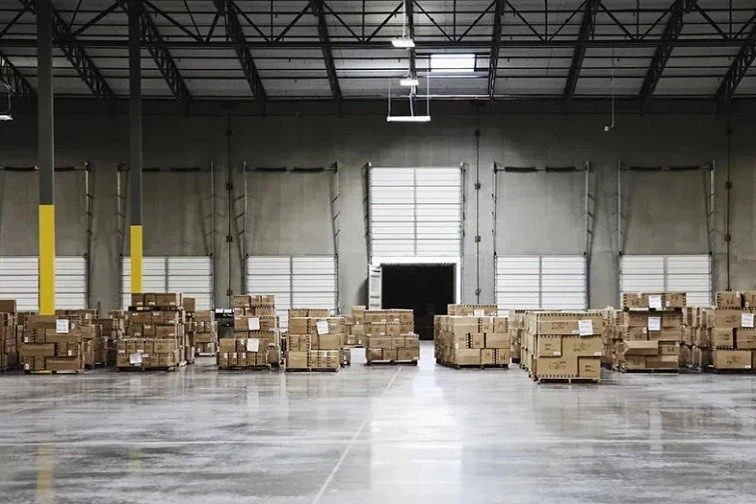
Factory pictures

FAQ
We're professional sofa cushion manufacturers and suppliers in China, specialized in providing high quality customized service. We warmly welcome you to buy bulk discount sofa cushion made in China here from our factory. Contact us for free sample.
buy sofa cushions, sofa cushion 3 seater, couch arm pillow