


Kennel
Why Choose Us
Our Service
We have one-on-one dedicated service personnel from ordering and consultation to real-time management of the entire order process. Each product has dedicated label tracking and a full-year after-sales warranty.
Our Factory
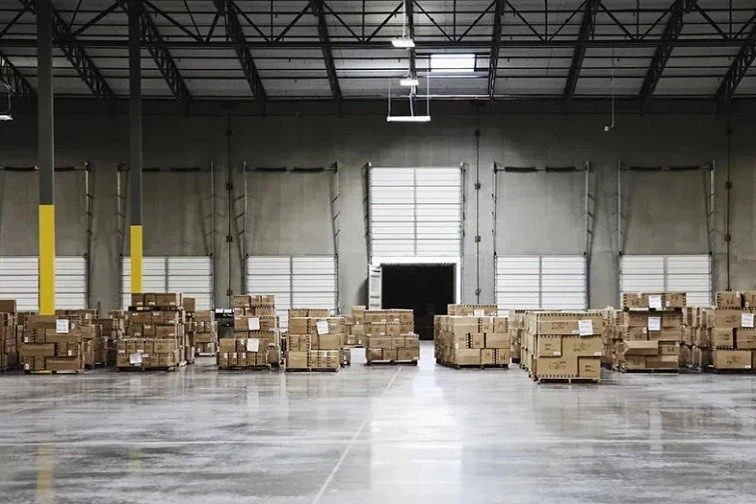
The company has a total of 20 professional and innovative talents and mainly produces household products. The company is committed to the industry, effectively promotes joint ventures and cooperation with major industries, and serves the society and users with the idea of industrialization development.
Our Certificate
Have TC certificate.
Customized Service
We have one-on-one dedicated service personnel from ordering and consultation to real-time management of the entire order process.
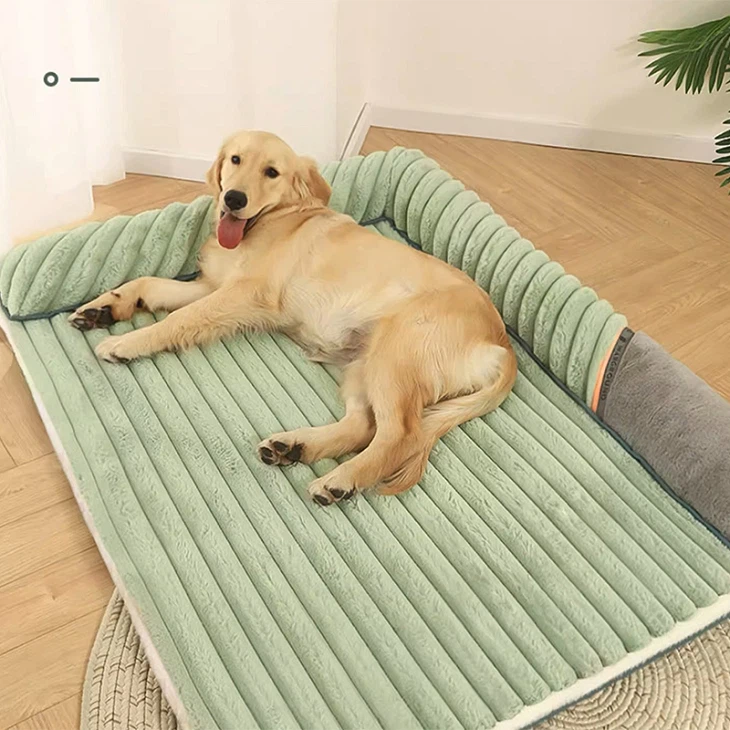
A kennel is a structure or shelter for dogs. The term is used in the plural form of "kennels" and refers to any building, collection of buildings or property in which dogs are housed, kept and kept. Dog kennels can be made from a variety of materials, the most popular being wood and canvas. The term "kennel" can also refer to a dog cage or dog house.


A Kennel Provides Dogs With Protection
Kennels are designed to provide shelter for your dog. Along with giving them access to plenty of fresh air and sunlight, kennels keep pets safe whenever they're outside, preventing them from running away and getting into trouble. They will also keep your dog from pestering neighbors or getting into fights with other dogs. If you want your dog to be able to enjoy the outdoors safely, then having a kennel is a must. Kennels can also be a cost-effective alternative to dog fences.
A Kennel Gives Dogs A Space To Play In
If your dog seems restless or listless, then it's a safe bet that they need to get some exercise. Every dog needs plenty of time to play on a daily basis. However, you don't always have the time or energy to take your dog for a run on a leash when they're bored and restless. Having an outside kennel gives your dog some room to run around and play unsupervised while still keeping them within a safe, enclosed space, so you don't have to keep an eye on them every second.
A Kennel Makes It Easier To House Train Your Dog
When you first bring your new pet home, your first job will be to house train them. Having a kennel on hand can make this task easier, since you can confine your pet whenever they are showing unacceptable behavior. A kennel can also make it easier to potty train your new pet. If you are having continued difficulty in house training your dog, then it's a good idea to talk to your vet.
A Kennel Makes It Safer To Travel With Your Dog
Many dog owners enjoy traveling with their pets, and many dogs acclimate well to new environments. If your dog is having trouble with traveling, then bringing a kennel along can make the experience easier and less stressful for them. Along with protecting your pet during the trip, kennels can help to keep dogs calm and comfortable so that they don't become overly agitated because of all the new things they can see and smell.
Enhancing the Training Process
It takes 4-6 months to housetrain a puppy, so there will be a lot of accidents. Luckily, kennels can be beneficial for house training puppies or introducing a new pet to your home.It helps limit a pet's access to the entire house while they learn the rules. This reduces the chance of accidents or unwanted behaviors.
Ensuring Pet Safety and Security
The proper sized kennel prevents Fido from getting into mischief while you're away. It offers a safe, protected space for your pet during travel. If you have guests, it can reduce stress for both you and your pet.
Providing Comfort and a Sense of Ownership
A well-selected kennel can provide a great deal of comfort for your pet. It can serve as their own personal space where they can unwind, sleep, and enjoy some quiet time. This sense of ownership can improve their well-being and contentment.
Streamlining Veterinary Visits and Travels
Regular veterinary visits are essential for your pet's health, and having the right kennel can make these trips less stressful. If you're a pet owner who often travels, having a sturdy, comfortable kennel is a must. It ensures your pet's safety and comfort during transit, whether by car, plane, or other means.
Facilitating a Healthier Living Environment
Proper kennels allow for good ventilation and easy cleaning. These are crucial for maintaining a healthy living environment for your pet. Regular cleaning prevents the build-up of bacteria and dust mites that can cause allergies.
Makes it Easy to Introduce a New Pet
If you are introducing a new pet to your household, a kennel can serve as a safe, neutral space. This is where the newcomer can gradually become acquainted with the rest of the family. This can help to reduce potential territorial disputes and help the new pet feel more secure.
Improving Your Pet's Quality of Life
With a place of their own to retreat to, pets can experience reduced anxiety and stress. The safety and security offered by a good-quality kennel can give you peace of mind.
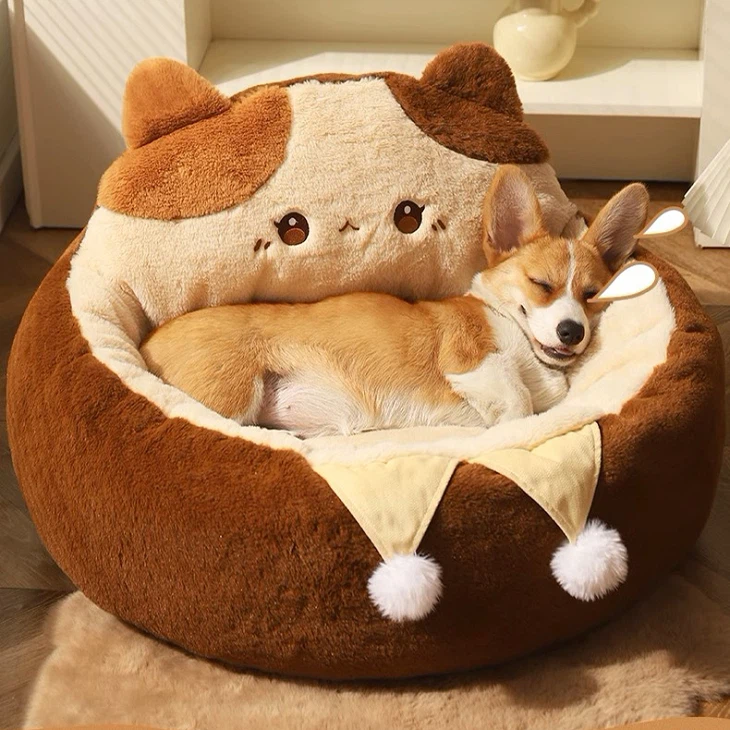
Traditional Dog Kennels
Traditional kennels are built using wooden materials, resembling miniature human residences. These small-scale houses have a singular point of entry. This offers your dog an easy access point.The design aims to safeguard your pets from harsh weather. The inside is snug and cozy, made with the pet's comfort in mind. It creates a personal space where they can retreat, rest, and feel safe.
Plastic Dog Kennels
Plastic kennels are versatile and convenient. They are lightweight, easy to clean, and quite affordable compared to other types. Most of them have ventilation holes for comfort.They can also be taken apart for cleaning or transportation. They might not provide adequate insulation during cold weather. A strong chewer might damage them, so you might need a sturdier dog kennel.
Metal Dog Kennels
Metal dog kennels are sturdy and durable, and made from steel or aluminum. They're ideal for large, active breeds as they offer ample space and are resistant to chewing.Metal kennels often come in a crate design, offering visibility and ventilation. However, they can be heavy and difficult to move around.
Soft-Sided Dog Kennels
These kennels contain fabric material, like nylon or canvas. It stretches over a lightweight metal frame.They're portable, easy to set up and store, making them perfect for travel. However, they're unsuitable for dogs that like to chew or scratch, as they can easily damage the fabric.
Furniture Dog Kennels
For those seeking a more aesthetically pleasing solution for their pet care journey, we got you covered. Furniture dog kennels can blend with your home décor.They often resemble standard pieces of furniture like side tables or cabinets. These kennels offer comfort for your pet while adding to your home's interior design.
Insulated Dog Kennels
Don't fail your dog care routine by letting Fido stay out unprotected in the cold. If your dog spends a lot of time outside, an insulated dog kennel might be the best choice.These kennels contain insulation materials to keep your dog warm during winter. It can also cool them off during the summer. It comes in different styles, such as traditional wooden designs or modern plastic ones.
Size and Space
Whether you intend to use a crate to keep your dog safe when travelling between home and hunts and/or you're planning to kennel them at home during working hours or in a hotel room while you're out having dinner, their comfort should be a top priority. That being said, the first major considerations are size and space requirements.
Weight
Taking a look at the weight of kennels can be an important factor in influencing your decision. If you're planning to keep a kennel in the bed of your truck or stored in the corner of your living room, weight may not be an issue. If you think you may have one kennel to do-it-all or there may be times when you need to move it around, so weight is something worth considering.
Safety and Security
Your dog's safety should be a top priority when selecting a kennel. They're likely going to spend ample time inside riding along in the back of your truck or interior of your car. Protecting their life in the event of a crash or rollover is of utmost concern. Each kennel manufacturer has their own set of standards, data, testing, and crash-test ratings for you to review and nothing beats personal testimonials from when the unthinkable actually happened.Keeping your dog safe inside their kennel is another part to think about. Ensuring the kennel can be secured into position and not move or become loose while driving down the road is vitally important when loading them into the bed of a truck.
Material and Durability
The material and durability of the kennel are another important factor to consider, and this is one of the most important points to focus on if you are transporting your dog in a vehicle. Modern kennels are made tough and designed and tested to withstand the punishing forces of impact during a collision or rollover event. By opting for a kennel made from high-quality materials that are sturdy, crash-tested, and proven to protect dog, you'll be glad you invested in the means to keep them safe while doing what they love best.
Step 1: Determine Location and Size
Start by choosing the location where you will be building a dog kennel. Size up the amount of space you have to work with and whether the kennel will work in that location. The kennel's size needs to give your dog adequate room to move around in. Larger dogs, of course, need more space than smaller breeds.
Step 2: Prepare Area
Begin preparing the area for the kennel by creating holes for the fence posts on which to install your chain-link fence. First determine the end on which you will install your fence gate or door. Then starting with a corner, use a post-hole digger to dig 12″ to 24″ holes twice as wide as the diameter of your fence posts at equidistant intervals along the length of each side. Your fence support posts will be placed in each hole. See Step 4 for further fencing instructions.
Step 3: Lay Down the Floor
Spray the dug-out area with water from a garden hose so that it is soaked. This will keep your concrete from drying out too quickly when you're pouring. Fill a wheelbarrow with concrete mix and water as directed by the manufacturer's instructions located on the package. Pour the concrete from the wheelbarrow into the dug-out area, spreading it out into corners and edges with a shovel. Fill the area this way until the concrete is just above the sides of the form. Even it out and level it using a board as a “float,” running it across the top of the slab until it's even with the sides of the form and flat. When the surface has been smoothed, let it set for the amount of time recommended by the manufacturer.
Step 4: Install Fencing
Fill the bottom of each of the holes you dug in Step 2 with about 2″of gravel or crushed stone for drainage. Mix dry concrete and water in a wheelbarrow as directed by the manufacturer. Place one of the support posts into a hole and hold it so it's centered in the hole. It helps to have someone hold the post steady as you shovel the prepared concrete mix into the hole. Use a level to make sure the post is straight. Level the concrete off with a shovel, just a few inches on top of the hole. Slope the concrete around the base of the post to allow for water runoff. To reduce any air pockets, poke a small stick into the concrete in a few random places.
Regularly Disinfect Kennel Surfaces
Regularly disinfecting kennel surfaces can help prevent the spread of bacteria and disease. Use a pet-safe disinfectant to clean all surfaces in your kennel, including floors, walls, and bedding.
Conduct Regular Inspections
Conducting regular inspections of your kennel can help you identify any issues that need to be addressed. Look for signs of wear and tear, damage, and pest infestations.
Make Repairs Promptly
Addressing any issues promptly can help prevent them from becoming bigger problems. Make any necessary repairs as soon as you notice them to keep your kennel in good condition.
Replace Old or Damaged Equipment
Old or damaged equipment can be a hazard to your pets and can detract from the overall comfort and condition of your kennel. Replace any old or damaged equipment promptly to maintain a safe and comfortable living space for your pets..
We are developing with intelligent and green manufacturing. In the international market, brand building and high-endization will be the key to our company's development. By creating private brands and internationally renowned brands, the added value and premium space of products can be increased, bringing greater market share and economic benefits to enterprises.
Factory pictures

FAQ
We're professional kennel manufacturers and suppliers in China, specialized in providing high quality customized service. We warmly welcome you to buy bulk discount kennel made in China here from our factory. Contact us for free sample.
best dog kennel for large dogs, wooden dog kennels for sale, heavy duty kennel