


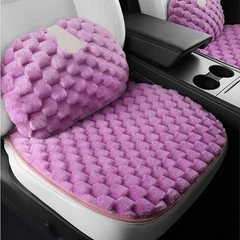
As a supplier of bubble cushions, I've encountered numerous queries about maintaining and repairing these essential items. Bubble cushions are renowned for their comfort and unique design, offering both support and a touch of style. However, like any product, they can sometimes sustain damage. In this blog, I'll share some practical tips on how to repair a damaged bubble cushion.
Understanding the Bubble Cushion
Before delving into the repair process, it's crucial to understand the structure of a bubble cushion. A typical Bubble Cushion consists of a series of air-filled bubbles arranged in a pattern on a base material. These bubbles provide the cushion's signature softness and resilience. The base material can vary, but it's often a durable fabric or plastic that holds the bubbles in place.
Identifying the Damage
The first step in repairing a bubble cushion is to identify the type and extent of the damage. Common issues include punctures, tears, and deflated bubbles. Punctures are usually small holes that allow air to escape from the bubbles, causing them to deflate. Tears can occur in the base material or the bubble itself, which may also lead to air loss. Deflated bubbles can sometimes be caused by a manufacturing defect, but more often than not, it's due to external damage.
Tools and Materials Needed
To repair a bubble cushion, you'll need a few basic tools and materials. These include:
- Adhesive: A strong, flexible adhesive is essential for sealing punctures and tears. Look for an adhesive that is suitable for the material of your cushion.
- Patch Material: Depending on the size and location of the damage, you may need a patch to cover the hole or tear. You can use a similar material to the cushion or a specialized patch kit.
- Scissors: Sharp scissors are necessary for cutting the patch material to the appropriate size.
- Needle and Thread: For more significant tears, you may need to sew the edges together before applying the adhesive and patch.
- Air Pump: If the bubble has completely deflated, you'll need an air pump to reinflate it.
Repairing Punctures
Punctures are one of the most common types of damage to bubble cushions. To repair a puncture, follow these steps:
- Locate the Puncture: Carefully examine the cushion to find the small hole. You may need to run your hand over the surface to feel for a loss of air.
- Clean the Area: Use a clean cloth to wipe the area around the puncture to remove any dirt or debris. This will ensure that the adhesive adheres properly.
- Apply Adhesive: Using a small brush or your finger, apply a thin layer of adhesive around the edge of the puncture.
- Place the Patch: Cut a small patch from the patch material and place it over the puncture. Press down firmly to ensure that the adhesive bonds the patch to the cushion.
- Let it Dry: Allow the adhesive to dry completely according to the manufacturer's instructions. This may take several hours.
Repairing Tears
Tears in a bubble cushion can be more challenging to repair than punctures, but it's still possible with the right approach. Here's how to repair a tear:
- Align the Edges: Gently align the edges of the tear as closely as possible. If the tear is large, you may need to use a needle and thread to sew the edges together first.
- Apply Adhesive: Apply a generous amount of adhesive along the edges of the tear. Make sure to spread the adhesive evenly to ensure a strong bond.
- Place the Patch: Cut a larger patch than the tear and place it over the damaged area. Press down firmly to ensure that the patch adheres to the cushion.
- Reinforce the Repair: If necessary, you can use additional adhesive or a second patch to reinforce the repair.
- Let it Dry: Allow the adhesive to dry completely before using the cushion.
Repairing Deflated Bubbles
If a bubble has completely deflated, you can try to reinflate it using an air pump. Here's how:
- Locate the Valve: Some bubble cushions have a small valve that allows you to inflate and deflate the bubbles. If your cushion has a valve, locate it and remove the cap.
- Insert the Air Pump: Insert the nozzle of the air pump into the valve and slowly pump air into the bubble until it is fully inflated.
- Replace the Cap: Once the bubble is inflated, replace the cap on the valve to prevent air from escaping.
Preventing Future Damage
To prevent future damage to your bubble cushion, there are a few things you can do:
- Avoid Sharp Objects: Keep your cushion away from sharp objects that could puncture or tear it.
- Clean Regularly: Regularly clean your cushion to remove dirt and debris that could cause damage.
- Store Properly: When not in use, store your cushion in a cool, dry place to prevent damage from moisture and heat.
- Inspect Regularly: Periodically inspect your cushion for signs of damage and repair any issues as soon as possible.
Other Types of Cushions
In addition to bubble cushions, we also offer a range of other cushions, such as the Turtle Velvet Car Seat Cushion and Solid Color Cushion. These cushions are also designed for comfort and durability, but they may require different maintenance and repair methods. If you have any questions about these cushions, please don't hesitate to contact us.
Conclusion
Repairing a damaged bubble cushion is a relatively simple process that can save you money and extend the life of your cushion. By following the steps outlined in this blog, you can easily repair punctures, tears, and deflated bubbles. Remember to take preventive measures to avoid future damage and to inspect your cushion regularly. If you have any further questions or need assistance with your cushion, please feel free to contact us. We're here to help you keep your cushions in top condition.


If you're interested in purchasing bubble cushions or any of our other products, we invite you to contact us for more information. Our team of experts is ready to assist you with your procurement needs and answer any questions you may have. Whether you're looking for a single cushion or a large order for your business, we can provide you with high-quality products at competitive prices.
References
- Smith, J. (2020). Cushion Maintenance and Repair Guide. Home Decor Magazine.
- Brown, A. (2019). The Art of Cushion Repair. DIY Living Journal.