


Hey there! As a seasoned kennel supplier, I've seen firsthand how crucial it is for service dogs to get used to their kennels. It's not just about having a cozy spot for them to rest; it's about creating a safe and secure environment that they'll feel comfortable in, whether they're at home or on the go. So, in this blog post, I'm gonna share some tips on how to train your service dog to use a kennel.
Step 1: Choose the Right Kennel
The first step in training your service dog to use a kennel is to choose the right one. There are a few things you need to consider when making your selection. First and foremost, the kennel needs to be the right size for your dog. It should be big enough for them to stand up, turn around, and lie down comfortably, but not so big that they have room to use one end as a bathroom.
Another important factor to consider is the type of kennel. There are several different types available, including wire kennels, plastic kennels, and fabric kennels. Each type has its own advantages and disadvantages, so it's important to choose the one that's right for your dog's needs.


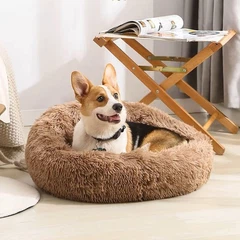
If you're looking for a kennel that's both comfortable and stylish, you might want to check out our Plush Dog Kennel. It's made from high-quality materials and features a soft, plush interior that your dog will love. Plus, it comes in a variety of colors and styles to choose from, so you can find the perfect one to match your home decor.
Step 2: Introduce Your Dog to the Kennel
Once you've chosen the right kennel for your dog, it's time to introduce them to it. Start by placing the kennel in a quiet, comfortable area of your home, such as a spare bedroom or a corner of the living room. Make sure the kennel is open and accessible, and place a few treats and a cozy blanket inside to make it more inviting.
Next, encourage your dog to explore the kennel on their own. You can do this by talking to them in a calm, soothing voice and offering them treats when they approach the kennel. Don't force them to go inside; let them take their time and explore at their own pace.
Once your dog seems comfortable around the kennel, you can start encouraging them to go inside. You can do this by placing a treat just inside the kennel and encouraging them to go in and get it. Once they're inside, praise them and give them another treat. Repeat this process several times a day until your dog is comfortable going in and out of the kennel on their own.
Step 3: Make the Kennel a Positive Place
To help your dog associate the kennel with positive experiences, it's important to make it a comfortable and inviting place. You can do this by placing a Colorful Plush Dog Bed inside the kennel to make it more comfortable. You can also place a few toys and chew treats inside the kennel to keep your dog entertained.
In addition to making the kennel a comfortable place, it's also important to use positive reinforcement when training your dog to use the kennel. This means rewarding your dog with treats, praise, and affection when they go inside the kennel or when they stay inside for a certain period of time.
Step 4: Gradually Increase the Time Your Dog Spends in the Kennel
Once your dog is comfortable going in and out of the kennel on their own, you can start gradually increasing the time they spend inside. Start by leaving them inside the kennel for a few minutes at a time, and gradually increase the time as they get more comfortable.
It's important to make sure your dog has plenty of opportunities to exercise and go to the bathroom outside of the kennel. You should also make sure they have access to fresh water at all times.
Step 5: Use the Kennel for Training and Desensitization
In addition to using the kennel as a place for your dog to rest and sleep, you can also use it for training and desensitization. For example, you can use the kennel to teach your dog to stay calm and relaxed in stressful situations, such as when there are other people or animals around.
To do this, start by placing your dog in the kennel and closing the door. Then, gradually introduce a stressful stimulus, such as a loud noise or the presence of another person or animal. If your dog starts to get anxious or stressed, calmly talk to them and offer them a treat. Repeat this process several times a day until your dog is able to stay calm and relaxed in the kennel, even when there are stressful stimuli present.
Step 6: Be Patient and Consistent
Training your service dog to use a kennel takes time and patience. It's important to be consistent with your training and to always use positive reinforcement. Don't get frustrated if your dog doesn't catch on right away; just keep working at it and they'll eventually get the hang of it.
Conclusion
Training your service dog to use a kennel is an important part of their training. By following these tips, you can help your dog feel comfortable and secure in their kennel, whether they're at home or on the go.
If you're in the market for a high-quality kennel for your service dog, be sure to check out our selection of Plush Dog Kennels. We offer a wide variety of styles and colors to choose from, and all of our kennels are made from high-quality materials to ensure your dog's comfort and safety.
If you have any questions about our kennels or about training your service dog to use a kennel, please don't hesitate to contact us. We'd be happy to help you find the perfect kennel for your dog and to provide you with any training tips or advice you may need.
References
- American Kennel Club. (n.d.). Crate Training Your Dog. Retrieved from [https://www.akc.org/expert-advice/training/crate-training-your-dog/]
- Humane Society of the United States. (n.d.). Crate Training. Retrieved from [https://www.humanesociety.org/resources/crate-training]
- PetMD. (n.d.). How to Crate Train Your Dog. Retrieved from [https://www.petmd.com/dog/training/how-to-crate-train-your-dog]