


Seat cushions are an essential accessory for enhancing comfort during long - sitting periods, whether in cars, offices, or at home. One common concern that customers often raise is whether new seat cushions have an odor. As a seat cushion supplier, I have encountered this question numerous times, and in this blog, I'll delve into the science behind the potential odors of new seat cushions, the factors influencing them, and how we address them.
The Science of Odors in New Seat Cushions
When seat cushions are newly manufactured, it is not uncommon for them to emit odors. This is primarily due to the outgassing process. Outgassing is the release of volatile organic compounds (VOCs) from the materials used in the production of the seat cushions. VOCs are carbon - based chemicals that can vaporize at room temperature.
Materials such as plastics, foams, adhesives, and dyes used in seat cushions often contain VOCs. For example, polyurethane foam, a common material in seat cushions, can release some degree of VOCs during the initial period after production. These VOCs can produce a distinctive "new - product smell." Some of the more common VOCs emitted by new products include formaldehyde, benzene, and toluene. Formaldehyde is used in adhesives and can have a pungent, irritating odor, while benzene and toluene are solvents used in the manufacturing process and also have characteristic smells.
Factors Influencing the Odor of New Seat Cushions
- Materials Used
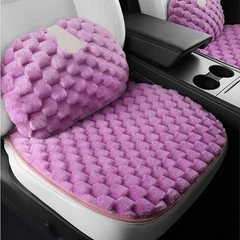
- As mentioned earlier, different materials have different levels of VOC emissions. Natural materials like cotton and wool generally have lower VOC emissions compared to synthetic materials. For instance, a seat cushion made entirely of organic cotton is likely to have a much milder odor or even no noticeable odor at all when new. On the other hand, cushions made with a high proportion of synthetic polymers may have a more prominent odor. Consider a Turtle Velvet Car Seat Cushion which may use a blend of synthetic and natural fibers. The choice of these materials can determine the initial odor level.
- The quality of the materials also matters. High - quality materials often go through more rigorous manufacturing processes and quality control, which can lead to lower VOC emissions. Well - sourced foams and fabrics are less likely to have a strong, unpleasant odor.
- Manufacturing Process
- The manufacturing process can significantly affect the odor of seat cushions. If the manufacturing environment is not well - ventilated, VOCs can accumulate in the products. Additionally, the curing time of adhesives and foams is crucial. Insufficient curing time can result in a higher release of VOCs after the product is finished. For example, if a Bubble Cushion is rushed through the manufacturing process without proper curing of the foam, it may have a stronger odor when it reaches the customer.
- Storage and Packaging
- How the seat cushions are stored and packaged can also impact their odor. If they are stored in a sealed environment for an extended period, the VOCs can build up inside the package, making the odor more intense when the package is opened. For instance, if seat cushions are stored in a warehouse with poor ventilation and then tightly packed in plastic bags for shipping, the customer is more likely to notice a strong odor upon opening the package.
How We Address the Odor Issue as a Supplier
We understand that a strong odor in new seat cushions can be a major turn - off for customers. Therefore, we take several steps to minimize the odor and ensure our products meet the highest standards of quality and customer satisfaction.


- Material Selection
- We prioritize the use of high - quality, low - VOC materials. We source our foams from suppliers who adhere to strict environmental standards and use advanced manufacturing techniques to reduce VOC emissions. For our fabric selection, we often choose natural fibers or synthetic fibers with low VOC content. This way, we can offer seat cushions that have a minimal odor right from the start. For example, our Turtle Velvet Car Seat Cushion is made with carefully selected materials to ensure a pleasant user experience.
- Manufacturing Optimization
- Our manufacturing facilities are equipped with state - of - the - art ventilation systems to ensure that the VOCs released during the production process are quickly removed from the environment. We also strictly follow the recommended curing times for all adhesives and foams. This ensures that the products have a lower level of VOC emissions when they are ready for packaging.
- Proper Packaging and Storage
- We use breathable packaging materials to allow the seat cushions to "breathe" during storage and shipping. This helps in reducing the accumulation of VOCs inside the package. Our warehouses are also well - ventilated, and we rotate our inventory regularly to ensure that the products do not sit in a sealed environment for too long.
Tips for Customers to Reduce the Odor of New Seat Cushions
Even though we take many steps to minimize the odor of our seat cushions, some customers may still notice a slight smell when they purchase a new product. Here are some tips for customers to reduce the odor:
- Ventilation
- Unpack the seat cushion and allow it to air out in a well - ventilated area. Placing it near an open window or using a fan can speed up the process of outgassing.
- Sunlight Exposure
- Brief exposure to sunlight can also help reduce the odor. However, be careful not to leave the cushion in direct sunlight for too long, as this may cause the color to fade or the materials to degrade.
- Activated Charcoal
- Placing activated charcoal near the seat cushion can help absorb the odors. Activated charcoal has a large surface area and can trap VOCs effectively.
Conclusion
In conclusion, while it is possible for new seat cushions to have an odor due to the outgassing of VOCs, as a responsible seat cushion supplier, we take every measure to minimize this issue. Through careful material selection, optimized manufacturing processes, and proper packaging and storage, we strive to provide our customers with seat cushions that have a minimal odor.
If you are interested in our seat cushions or have any questions about our products, we welcome you to contact us for procurement and further discussions. We are committed to providing high - quality, comfortable, and odor - free seat cushions for your needs.
References
- "Volatile Organic Compounds (VOCs) in Indoor Air," U.S. Environmental Protection Agency
- "Foam and Its Properties," Journal of Polymer Science
- "Textile Materials and Their Environmental Impact," International Textile Association