



Do seat cushions absorb moisture? This is a question that many consumers and businesses alike often ponder, especially when considering the long - term comfort and durability of seat cushions. As a seat cushion supplier, I've delved deep into the science behind seat cushion materials and their moisture - absorbing properties to provide you with a comprehensive answer.
The Basics of Moisture Absorption
Before we explore whether seat cushions absorb moisture, it's essential to understand the concept of moisture absorption. Moisture absorption refers to the ability of a material to take in and hold water vapor from the surrounding environment. This can be influenced by several factors, including the material's chemical composition, porosity, and surface area.
Common Materials Used in Seat Cushions and Their Moisture - Absorbing Abilities
Foam - Based Cushions
Foam is one of the most commonly used materials in seat cushions. There are different types of foam, such as polyurethane foam and memory foam. Polyurethane foam, which is widely used due to its affordability and comfort, has a relatively low moisture - absorbing capacity. It has a closed - cell structure that resists the penetration of water. However, over time, if exposed to high humidity or direct contact with moisture, a small amount of moisture can seep into the foam, especially at the edges or where the foam is damaged.
Memory foam, on the other hand, is known for its ability to conform to the body's shape. It typically has a more open - cell structure compared to polyurethane foam. This open - cell structure allows it to absorb a bit more moisture. However, excessive moisture can lead to issues such as mold growth and a decrease in the foam's elasticity.
Fabric - Covered Cushions
The fabric covering on a seat cushion can play a significant role in moisture absorption. Natural fabrics like cotton are well - known for their moisture - wicking properties. Cotton fibers have a high affinity for water and can absorb a considerable amount of moisture. This makes cotton - covered seat cushions a good choice for environments where sweating is likely, such as in hot climates or for people with high body heat.
Synthetic fabrics like polyester, on the other hand, have a lower moisture - absorbing capacity. Polyester is hydrophobic, meaning it repels water. While this can be an advantage in terms of quick drying and resistance to mold, it may not be as comfortable for those who tend to sweat a lot.
Impact of Moisture on Seat Cushions
Moisture can have both short - term and long - term impacts on seat cushions. In the short term, a moist seat cushion can feel uncomfortable and sticky, reducing the overall sitting experience. It can also cause an unpleasant odor, especially if the moisture is not dried quickly.
In the long term, excessive moisture can lead to the growth of mold and mildew. Mold not only looks unappealing but can also pose health risks, especially for people with allergies or respiratory problems. Additionally, moisture can degrade the materials in the seat cushion. For example, it can cause the foam to break down, reducing its support and comfort over time.
Our Seat Cushion Offerings and Moisture Management
As a seat cushion supplier, we understand the importance of moisture management in seat cushions. We offer a wide range of seat cushions designed to address different moisture - related needs.
Our Solid Color Cushion comes in a variety of fabric options. For customers in humid environments, we recommend choosing a cushion with a cotton or a cotton - blend cover. These fabrics can absorb and wick away moisture, keeping the seat dry and comfortable.
The Bubble Cushion is another popular option. The unique bubble design not only provides excellent support but also allows for better air circulation. This helps in reducing the build - up of moisture, as the air can move freely around the cushion, promoting faster drying.
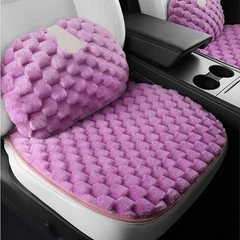
Our Turtle Velvet Car Seat Cushion is specifically designed for car seats. The turtle velvet fabric has a soft texture and also offers good moisture - absorbing properties. It can keep the car seat dry and comfortable, even during long drives.
Tips for Maintaining Seat Cushions in Moist Environments
If you live in a humid area or expect your seat cushions to be exposed to moisture, here are some tips to keep them in good condition:
- Regular Cleaning: Vacuum the seat cushions regularly to remove dust and debris. For fabric - covered cushions, follow the manufacturer's instructions for washing. This can help prevent the build - up of moisture - attracting substances.
- Proper Ventilation: Ensure that the area where the seat cushions are placed has good ventilation. Open windows or use fans to circulate air and reduce humidity.
- Use of Moisture - Absorbing Products: Consider using moisture - absorbing products like silica gel packets near the seat cushions. These can help absorb excess moisture in the air.
Conclusion
In conclusion, whether seat cushions absorb moisture depends on the materials they are made of. Foam - based cushions have varying degrees of moisture absorption, with memory foam generally absorbing more than polyurethane foam. Fabric - covered cushions can have different moisture - absorbing properties based on the type of fabric used.


As a seat cushion supplier, we are committed to providing high - quality seat cushions that address moisture - related concerns. Our range of seat cushions, including the Solid Color Cushion, Bubble Cushion, and Turtle Velvet Car Seat Cushion, are designed to offer comfort and durability in different environments.
If you're interested in purchasing seat cushions for your home, office, or vehicle, we'd love to have a discussion with you. Our team of experts can help you choose the right seat cushions based on your specific needs and environment. Contact us today to start the procurement process and find the perfect seat cushions for your requirements.
References
- "Textile Science and Technology: Fibres, Yarns, Fabrics, and Nonwovens" by P. S. Dhamija
- "Foam Technology and Applications" by D. Klempner and K. C. Frisch
- "The Handbook of Polyurethanes" by G. Oertel