


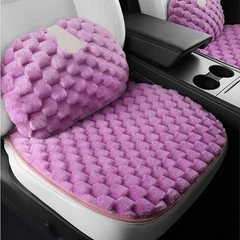

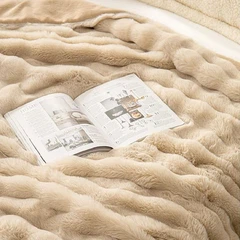
Do fleece blankets pill easily? This is a question that many consumers often ask when considering purchasing a fleece blanket. As a blanket supplier, I have encountered this question numerous times from my customers. In this blog, I will delve into the topic of pilling in fleece blankets, exploring the factors that contribute to it and offering some insights on how to minimize this issue.


Understanding Fleece Blankets
Fleece is a synthetic fabric typically made from polyester. It is known for its softness, warmth, and lightweight nature, making it a popular choice for blankets. Fleece blankets come in various types, including microfleece, polar fleece, and Bubble Fleece Blanket. Each type has its own unique characteristics, but they all share the common trait of being made from polyester fibers.
What Causes Pilling in Fleece Blankets?
Pilling occurs when short fibers on the surface of the fabric become loose and tangle together, forming small balls or pills. Several factors can contribute to pilling in fleece blankets:
1. Friction
Friction is one of the primary causes of pilling in fleece blankets. When the blanket rubs against other surfaces, such as clothing, furniture, or even your body during sleep, the fibers can become loose and start to pill. For example, if you frequently sit on the couch with your fleece blanket, the friction between the blanket and the couch fabric can cause pilling over time.
2. Quality of the Fleece
The quality of the fleece used in the blanket also plays a significant role in pilling. Lower-quality fleece may have shorter and weaker fibers, which are more prone to breaking and pilling. On the other hand, high-quality fleece with longer and stronger fibers is less likely to pill. As a blanket supplier, I always ensure that I source high-quality fleece materials to minimize the risk of pilling in our blankets.
3. Washing and Drying
The way you wash and dry your fleece blanket can also affect pilling. Harsh detergents, high-speed washing cycles, and excessive tumble drying can all cause the fibers to break and pill. It is recommended to wash fleece blankets in cold water on a gentle cycle and use a mild detergent. Avoid using fabric softeners, as they can leave a residue on the fibers and make them more prone to pilling. When drying, tumble dry on low heat or air dry to prevent excessive friction and heat damage.
4. Frequency of Use
The more frequently you use your fleece blanket, the more likely it is to pill. Regular use exposes the blanket to more friction and wear, increasing the risk of pilling. If you use your fleece blanket every day, you may notice pilling sooner than if you only use it occasionally.
Minimizing Pilling in Fleece Blankets
While it is impossible to completely prevent pilling in fleece blankets, there are several steps you can take to minimize it:
1. Choose High-Quality Fleece Blankets
As mentioned earlier, the quality of the fleece is crucial in preventing pilling. When purchasing a fleece blanket, look for one made from high-quality polyester fibers. Check the product description or ask the supplier about the quality of the fleece used. At our company, we offer a range of high-quality fleece blankets, including Colorful Bubble Plush Blanket and Turtle Plush Blanket, which are less likely to pill.
2. Follow Proper Washing and Drying Instructions
To minimize pilling, it is important to follow the proper washing and drying instructions for your fleece blanket. As mentioned earlier, wash the blanket in cold water on a gentle cycle using a mild detergent. Avoid using fabric softeners and tumble dry on low heat or air dry. By following these instructions, you can reduce the friction and heat damage to the fibers, thereby minimizing pilling.
3. Use a Lint Roller or Shaver
If you notice some pilling on your fleece blanket, you can use a lint roller or shaver to remove the pills. A lint roller can be used to pick up the loose pills on the surface of the blanket, while a shaver can be used to trim the pills off. Be careful when using a shaver, as you don't want to damage the fibers of the blanket.
4. Avoid Excessive Friction
To prevent pilling, try to avoid excessive friction between the blanket and other surfaces. For example, if you are using the blanket on a couch, place a protective layer, such as a towel or a slipcover, between the blanket and the couch fabric. This will reduce the friction and minimize the risk of pilling.
Conclusion
In conclusion, while fleece blankets can pill, the extent to which they pill depends on several factors, including friction, the quality of the fleece, washing and drying methods, and frequency of use. By choosing high-quality fleece blankets, following proper washing and drying instructions, using a lint roller or shaver, and avoiding excessive friction, you can minimize pilling and keep your fleece blanket looking new for longer.
As a blanket supplier, I am committed to providing high-quality fleece blankets that are both comfortable and durable. If you are interested in purchasing our fleece blankets or have any questions about pilling or other aspects of our products, please feel free to contact us. We would be happy to assist you with your procurement needs and answer any questions you may have.
References
- "Fleece Fabric: Properties, How its Made and Where" by Textile School
- "How to Wash Fleece Blankets" by The Spruce
- "Preventing and Removing Pilling on Clothing" by Real Simple