


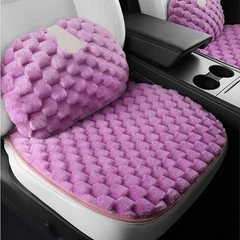

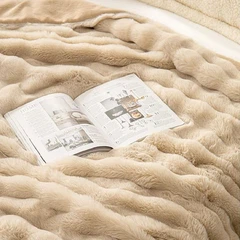
As a seasoned blanket supplier, I've fielded countless inquiries from customers regarding the care and pre - use preparation of blankets. One question that often surfaces is, "Do blankets need to be fluffed before use?" In this blog, I'll delve into this topic, exploring the science behind fluffing, its benefits, and cases where it might not be necessary.
The Science of Blanket Fluffing
To understand why fluffing can be beneficial, we need to first grasp the basic structure of blankets. Most blankets, especially those made from materials like cotton, wool, or synthetic fibers, are designed to trap air. Air is an excellent insulator, and the more air a blanket can hold, the better it will be at keeping you warm.
When a blanket is packed, folded, or stored for an extended period, the fibers compress. This compression reduces the amount of air that can be trapped within the blanket. Fluffing helps to redistribute the fibers, increasing the air pockets and thus enhancing the blanket's insulating properties.
For instance, consider a Turtle Plush Blanket. Its plush texture is designed to create a cozy, warm environment. However, if it's been sitting in a box for a long time, the plush fibers will be flattened. Fluffing this blanket will separate the fibers, allowing it to regain its full insulating potential.
Benefits of Fluffing Blankets
Enhanced Warmth
As mentioned earlier, fluffing restores the air - trapping ability of a blanket. This directly translates to increased warmth. A well - fluffed blanket will keep you toasty on a cold winter night, making your sleep more comfortable. Whether it's a thick woolen blanket or a soft Colorful Bubble Plush Blanket, fluffing can significantly improve its performance.
Improved Aesthetics
Fluffed blankets look better. They appear fuller, softer, and more inviting. A neatly fluffed blanket on a bed or sofa can enhance the overall look of a room. It gives the impression of quality and care, making your living space more appealing. For example, a Printed Blanket with a beautiful design will look even more vibrant when the blanket is fluffed, as the fibers will stand up and catch the light better.
Longer Lifespan
Regularly fluffing your blankets can extend their lifespan. When a blanket is compressed for long periods, the fibers can become permanently damaged. Fluffing helps to prevent this by keeping the fibers flexible and resilient. This means your blankets will stay in good condition for longer, providing you with years of comfort.
When Fluffing Might Not Be Necessary
While fluffing generally offers many benefits, there are situations where it may not be required.
New Blankets from High - Quality Manufacturers
Some high - end blanket manufacturers use advanced manufacturing techniques to ensure that their blankets maintain their fluffiness right out of the box. These blankets are designed to resist compression during storage and transportation. If you purchase a blanket from a reputable brand known for its quality construction, it might not need immediate fluffing.
Thin and Lightweight Blankets
Thin and lightweight blankets, such as some cotton throws, are not as dependent on air - trapping for insulation. These blankets are often used for light covering rather than providing intense warmth. As a result, fluffing may not have a significant impact on their performance.
How to Fluff a Blanket
If you've determined that your blanket would benefit from fluffing, here are some effective methods:


Manual Fluffing
This is the simplest method. Simply grab the corners of the blanket and give it a good shake. Then, use your hands to gently separate the fibers. You can also knead the blanket to loosen up any compressed areas. This method is suitable for most types of blankets, especially those that are small or delicate.
Machine Fluffing
For larger blankets, you can use a dryer on a low - heat or no - heat setting. Place the blanket in the dryer along with a few clean tennis balls. The tennis balls will bounce around inside the dryer, helping to separate the fibers. Make sure to check the blanket regularly to prevent over - drying.
Conclusion
In conclusion, while not all blankets necessarily need to be fluffed before use, in most cases, it's a beneficial practice. Fluffing can enhance the warmth, aesthetics, and lifespan of your blankets. As a blanket supplier, I always recommend that customers give their new blankets a good fluff to get the most out of them.
If you're in the market for high - quality blankets, whether it's the adorable Turtle Plush Blanket, the eye - catching Printed Blanket, or the charming Colorful Bubble Plush Blanket, I invite you to reach out for procurement discussions. We offer a wide range of blankets to meet your diverse needs, and our team is ready to assist you in finding the perfect blankets for your home or business.
References
- "Textile Science: Principles and Applications" by John H. Shaw
- "The Art of Comfort: Blanket Design and Use" by Sarah Thompson