


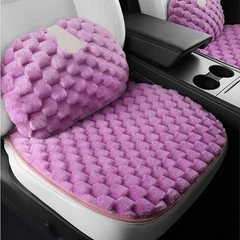

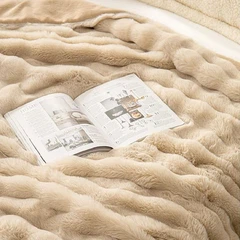
In the world of home decor and comfort, the lines between different textile products often blur. One question that frequently arises is whether a blanket can be used as a cushion cover. As a seasoned blanket supplier, I've encountered this query numerous times, and in this blog post, I'll delve into the feasibility, advantages, and considerations of using a blanket as a cushion cover.
Feasibility of Using a Blanket as a Cushion Cover
The short answer is yes, you can use a blanket as a cushion cover. Blankets and cushion covers share several commonalities. Both are made from fabric, and their primary functions revolve around comfort and aesthetics. However, there are a few factors to consider before making the switch.
Size and Shape
The first consideration is the size and shape of the blanket and the cushion. A blanket typically comes in larger sizes, such as twin, full, queen, or king. If you're using a blanket for a small cushion, you'll need to fold or cut it to fit. On the other hand, if the cushion is large, a standard blanket may be just the right size. Rectangular cushions are easier to cover with a blanket compared to circular or irregularly shaped ones. You can simply fold the blanket over the cushion and tuck in the excess fabric to create a snug fit.
Material and Thickness
The material and thickness of the blanket also play a crucial role. Soft, lightweight blankets made from materials like cotton, fleece, or microfiber are ideal for cushion covers. They are easy to manipulate and provide a comfortable feel. Thicker blankets, such as wool or down-filled ones, may be too bulky and heavy for some cushions. They can make the cushion feel lumpy and may not drape well. Additionally, the texture of the blanket can affect the overall look and feel of the cushion. A smooth, silky blanket will give the cushion a sleek appearance, while a textured blanket can add a rustic or cozy touch.
Advantages of Using a Blanket as a Cushion Cover
There are several advantages to using a blanket as a cushion cover.
Cost-Effective
One of the most significant advantages is cost. Blankets are generally more affordable than dedicated cushion covers, especially if you already have a blanket at home. By repurposing a blanket, you can save money while still achieving a stylish look for your cushions.


Versatility
Blankets come in a wide variety of colors, patterns, and materials, offering endless possibilities for customization. You can choose a blanket that matches your existing decor or create a unique look by mixing and matching different blankets. Additionally, you can easily change the look of your cushions by swapping out the blanket, giving your living space a fresh new look without having to invest in new cushion covers.
Comfort
Blankets are designed to provide warmth and comfort, and using one as a cushion cover can enhance the comfort of your cushions. The soft, plush texture of the blanket can make sitting or lying on the cushions more enjoyable, especially during cold weather.
Considerations When Using a Blanket as a Cushion Cover
While using a blanket as a cushion cover has its advantages, there are also a few considerations to keep in mind.
Durability
Cushions are subject to more wear and tear than blankets, as they are frequently sat on, leaned against, and moved around. Therefore, it's important to choose a durable blanket that can withstand regular use. Look for blankets made from high-quality materials that are resistant to fading, pilling, and tearing.
Cleaning
Cleaning a blanket used as a cushion cover can be more challenging than cleaning a dedicated cushion cover. Depending on the material of the blanket, you may need to follow specific cleaning instructions to avoid damaging it. Some blankets may need to be dry cleaned, while others can be machine washed. It's important to check the care label of the blanket before cleaning it.
Fit and Security
To ensure a neat and tidy appearance, it's important to make sure the blanket fits the cushion properly. If the blanket is too loose, it may slip off the cushion, while if it's too tight, it may be difficult to put on and take off. You can use safety pins, Velcro, or elastic bands to secure the blanket to the cushion and prevent it from shifting.
Our Blanket Collection
As a blanket supplier, we offer a wide range of blankets that are suitable for use as cushion covers. Our Printed Blanket collection features a variety of colorful and eye-catching designs that can add a pop of color to your cushions. The soft, lightweight fabric makes them easy to fold and manipulate, ensuring a perfect fit for your cushions.
If you're looking for something more cuddly and plush, our Turtle Plush Blanket is the perfect choice. The ultra-soft plush material provides a cozy and comfortable feel, making it ideal for use as a cushion cover. The cute turtle design adds a touch of whimsy to your living space.
For a more modern and stylish look, our Colorful Bubble Plush Blanket is a great option. The vibrant colors and unique bubble pattern make it a statement piece that will enhance the look of your cushions. The plush material is also easy to clean and maintain, ensuring long-lasting use.
Conclusion
In conclusion, using a blanket as a cushion cover is a feasible and cost-effective way to add style and comfort to your living space. With the right size, material, and fit, you can transform a simple blanket into a beautiful and functional cushion cover. As a blanket supplier, we offer a wide range of blankets that are suitable for this purpose. Whether you're looking for a printed blanket, a plush blanket, or a colorful bubble blanket, we have the perfect option for you.
If you're interested in purchasing our blankets for use as cushion covers or for any other purpose, please don't hesitate to contact us. We'd be happy to discuss your needs and help you find the perfect blanket for your home.
References
- "Home Decorating with Textiles" by Mary Jane Interrante
- "The Complete Guide to Fabric and Textiles" by Judith Miller