


As a supplier of bubble cushions, I often get asked whether bubble cushions can be used for wrapping fragile items. This is a question that goes beyond a simple yes or no answer, as it involves understanding the properties of bubble cushions, the nature of fragile items, and the best practices for packaging. In this blog post, I'll delve into these aspects to provide a comprehensive answer.
Understanding Bubble Cushions
Bubble cushions are made up of a series of air - filled bubbles trapped between two layers of plastic. These bubbles act as a shock absorber, which is the key property that makes them potentially useful for protecting fragile items. The air inside the bubbles compresses upon impact, dissipating the energy from the shock and reducing the force that reaches the item being wrapped.
The size of the bubbles can vary. Smaller bubbles offer more surface - area protection and are better for lightweight, delicate items. They can conform closely to the shape of the object, providing a snug fit. Larger bubbles, on the other hand, can absorb more significant shocks and are suitable for heavier or bulkier fragile items.


Bubble cushions come in different thicknesses as well. Thicker bubble cushions generally provide more protection because they have more material to absorb and distribute the impact energy. You can find Bubble Cushion options in various sizes and thicknesses to meet different packaging needs.
Suitability for Different Fragile Items
Glassware
Glassware is one of the most common fragile items that people want to protect. Whether it's delicate wine glasses, decorative vases, or glass picture frames, bubble cushions can be an excellent choice for wrapping. The air bubbles create a soft layer between the glass and the external environment, reducing the risk of breakage from bumps and drops during transportation. For example, when packing a set of fine crystal glasses, you can individually wrap each glass with a layer of bubble cushion. The cushioning effect helps prevent the glasses from hitting each other and also protects them from external impacts.
Ceramics
Ceramics, such as plates, bowls, and figurines, are also prone to cracking and chipping. Bubble cushions can offer effective protection for these items. The flexibility of the bubble cushion allows it to conform to the irregular shapes of ceramic pieces. When shipping a ceramic figurine, you can wrap it multiple times with bubble cushion to create a thick layer of protection. This is especially important if the figurine has intricate details or protrusions that could be easily damaged.
Electronics
Many electronic devices are fragile and sensitive to shocks. Items like smartphones, tablets, and laptops can benefit from bubble cushion wrapping. However, it's important to note that while bubble cushions can protect against physical shocks, they do not offer protection against electrostatic discharge (ESD). For ESD - sensitive electronics, you may need to use anti - static bubble cushions. These special bubble cushions have an anti - static coating that prevents the build - up and discharge of static electricity, which could damage the electronic components.
Advantages of Using Bubble Cushions for Wrapping
Cost - Effective
Bubble cushions are relatively inexpensive compared to some other packaging materials. They are widely available and can be purchased in large quantities at a reasonable price. This makes them a cost - effective option for businesses and individuals who need to pack a large number of fragile items.
Lightweight
The lightweight nature of bubble cushions is another advantage. When shipping items, weight can significantly impact the shipping cost. Using bubble cushions adds minimal weight to the package, helping to keep shipping costs down. This is particularly important for businesses that rely on shipping a large volume of products.
Easy to Use
Bubble cushions are very easy to handle and use. They can be cut to the desired size with a pair of scissors, and they can be wrapped around items quickly and easily. Whether you're a professional packer or an individual packing items for a move, you can easily use bubble cushions without the need for special training or equipment.
Limitations and Considerations
Environmental Impact
One of the main limitations of bubble cushions is their environmental impact. Most bubble cushions are made of plastic, which is not biodegradable. This means that they can contribute to landfill waste. As a supplier, we are aware of this issue and are exploring more sustainable options, such as biodegradable bubble cushions. These new products are made from materials that break down more easily in the environment, reducing the long - term impact on the planet.
Protection Level
While bubble cushions offer good protection against shocks, they may not be sufficient for extremely fragile or high - value items. In some cases, additional packaging materials may be needed. For example, for very delicate glass sculptures, you might want to use a combination of bubble cushions and foam inserts inside a sturdy box to provide maximum protection.
Best Practices for Using Bubble Cushions
Proper Wrapping Technique
When wrapping fragile items with bubble cushions, it's important to use the right technique. Start by wrapping the item tightly, making sure that there are no loose areas where the item could move. You can use tape to secure the bubble cushion in place. If the item has sharp edges, you may want to use a layer of soft paper or cloth under the bubble cushion to prevent the edges from puncturing the bubbles.
Filling Empty Spaces
When placing the wrapped item in a box, it's important to fill any empty spaces with additional bubble cushion or other packing materials. This helps prevent the item from shifting during transportation, which could lead to damage. You can crumple up pieces of bubble cushion and stuff them around the item to fill the gaps.
Other Cushion Options
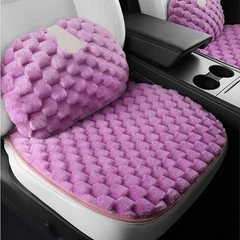
In addition to bubble cushions, there are other cushioning options available. For example, Turtle Velvet Car Seat Cushion can provide a soft and luxurious feel, although it may not be as suitable for general packaging of fragile items. Solid Color Cushion can also be used in some cases, especially if you need a more aesthetically pleasing option. However, in terms of shock - absorption and cost - effectiveness, bubble cushions often remain the top choice for most fragile item packaging needs.
Conclusion
In conclusion, bubble cushions can be an excellent choice for wrapping fragile items. They offer good shock - absorption, are cost - effective, lightweight, and easy to use. However, it's important to consider their limitations, such as environmental impact and the need for additional protection for extremely fragile items. By following the best practices for using bubble cushions, you can ensure that your fragile items are well - protected during transportation.
If you're interested in purchasing bubble cushions for your packaging needs, I encourage you to reach out for a detailed discussion. We can help you select the right type, size, and quantity of bubble cushions based on your specific requirements. Whether you're a small business looking to protect your products during shipping or an individual moving to a new home, we have the solutions you need.
References
- Packaging Materials Handbook: A Guide to Selecting the Right Materials for Your Products.
- Journal of Packaging Science and Technology, various issues on cushioning materials.