



In today's world, environmental consciousness is at an all-time high. Consumers are increasingly seeking products that are not only functional and comfortable but also eco-friendly. As a blanket supplier, I am often asked, "Are there any eco-friendly blankets available?" The answer is a resounding yes! In this blog post, I'll explore the various types of eco-friendly blankets on the market, their benefits, and how they fit into a sustainable lifestyle.
Understanding Eco-Friendly Blankets
Eco-friendly blankets are made from materials and processes that have a minimal impact on the environment. This can include using natural, renewable fibers, reducing waste during production, and avoiding harmful chemicals. Let's take a closer look at some of the common materials used in eco-friendly blankets.
Organic Cotton
Organic cotton is grown without the use of synthetic pesticides, fertilizers, or genetically modified organisms (GMOs). This makes it a healthier choice for both the environment and the people who grow and use it. Organic cotton blankets are soft, breathable, and hypoallergenic, making them suitable for people with sensitive skin. They are also highly absorbent, which helps to keep you dry and comfortable throughout the night.
Bamboo
Bamboo is a fast-growing, renewable resource that requires very little water and no pesticides to grow. Bamboo fibers are naturally antibacterial and antifungal, making bamboo blankets a great choice for people with allergies or skin sensitivities. They are also incredibly soft and silky to the touch, providing a luxurious feel. Bamboo blankets are also highly breathable, which helps to regulate body temperature and keep you cool in the summer and warm in the winter.
Wool
Wool is a natural, renewable fiber that is biodegradable and has excellent insulating properties. It can keep you warm in the winter and cool in the summer, making it a versatile choice for blankets. Sustainable wool is sourced from farms that follow ethical and environmentally friendly practices, such as using natural dyes and avoiding the use of mulesing (a controversial practice used to prevent flystrike in sheep). Wool blankets are also durable and long-lasting, which means they can be used for many years without needing to be replaced.
Recycled Materials
Another option for eco-friendly blankets is to use recycled materials. This can include recycled polyester, which is made from post-consumer plastic bottles, or recycled wool, which is made from old wool garments. Using recycled materials helps to reduce waste and conserve resources. Recycled blankets can be just as soft and comfortable as those made from new materials, and they often have a unique texture and appearance.
Our Eco-Friendly Blanket Offerings
As a blanket supplier, we are committed to offering a range of eco-friendly blankets to meet the needs of our customers. Here are some of the eco-friendly blankets we have available:


Bubble Fleece Blanket
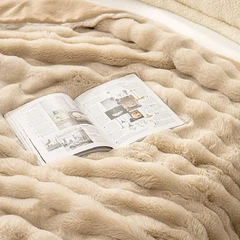
Our Bubble Fleece Blanket is made from recycled polyester, which gives it a soft and cozy feel. The unique bubble texture adds an extra layer of warmth and comfort, making it perfect for snuggling up on the couch or in bed. It is also machine washable, making it easy to care for.
Printed Blanket
Our Printed Blanket is made from organic cotton, which is grown without the use of harmful chemicals. The beautiful prints are created using natural dyes, which are environmentally friendly. This blanket is not only soft and comfortable but also adds a touch of style to any room.
Colorful Bubble Plush Blanket
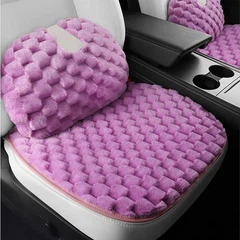
Our Colorful Bubble Plush Blanket is a combination of luxury and sustainability. It is made from a blend of bamboo and recycled polyester, which gives it a soft and plush feel. The colorful bubble design is eye-catching and fun, making it a great choice for kids and adults alike.
Benefits of Choosing Eco-Friendly Blankets
There are many benefits to choosing eco-friendly blankets, both for the environment and for your health. Here are some of the key benefits:
Environmental Benefits
- Reduced Pollution: By using natural and recycled materials, eco-friendly blankets help to reduce pollution and conserve resources. This includes reducing the use of pesticides, fertilizers, and water in the production process.
- Lower Carbon Footprint: The production of eco-friendly blankets generally has a lower carbon footprint compared to traditional blankets. This is because they often use less energy and produce fewer greenhouse gas emissions.
- Biodegradability: Many eco-friendly materials, such as organic cotton, bamboo, and wool, are biodegradable, which means they will break down naturally over time and do not contribute to landfill waste.
Health Benefits
- Hypoallergenic: Eco-friendly blankets are often made from natural materials that are hypoallergenic, which means they are less likely to cause allergic reactions. This is especially important for people with sensitive skin or allergies.
- Antibacterial and Antifungal Properties: Some eco-friendly materials, such as bamboo and wool, have natural antibacterial and antifungal properties, which can help to keep you healthy and reduce the risk of infections.
- Breathability: Eco-friendly blankets are typically more breathable than traditional blankets, which helps to regulate body temperature and keep you comfortable throughout the night.
How to Care for Eco-Friendly Blankets
Caring for eco-friendly blankets is relatively easy, but there are a few things to keep in mind to ensure they last as long as possible. Here are some tips:
- Read the Care Instructions: Always read the care instructions on the label before washing your blanket. Different materials may require different care methods.
- Use Gentle Detergents: Use a gentle, eco-friendly detergent to wash your blanket. Avoid using harsh chemicals or bleach, as these can damage the fibers and reduce the lifespan of the blanket.
- Wash in Cold Water: Wash your blanket in cold water to prevent shrinkage and damage to the fibers. Hot water can cause some materials, such as wool, to shrink and lose their shape.
- Air Dry: Whenever possible, air dry your blanket instead of using a dryer. This helps to prevent damage to the fibers and reduces energy consumption.
Conclusion
In conclusion, there are many eco-friendly blankets available on the market today. As a blanket supplier, we are proud to offer a range of eco-friendly options that are not only sustainable but also comfortable and stylish. Whether you choose a blanket made from organic cotton, bamboo, wool, or recycled materials, you can feel good about making a choice that is better for the environment and your health.
If you are interested in purchasing eco-friendly blankets for your home or business, we would love to hear from you. We offer a wide range of sizes, colors, and designs to meet your needs. Contact us today to discuss your requirements and start the procurement process. We look forward to working with you to find the perfect eco-friendly blankets for your needs.
References
- "Organic Cotton: A Sustainable Choice for Textiles." Organic Trade Association.
- "The Benefits of Bamboo Fibers in Textiles." Journal of Natural Fibers.
- "Sustainable Wool: Ethical and Environmental Considerations." World Animal Protection.