


As a seasoned kennel supplier, I've encountered a wide spectrum of dog owners, each with their unique canine companions. A question that often surfaces in our discussions is whether kennels are suitable for all dog breeds. It's a complex query that delves into various aspects of canine behavior, physical characteristics, and individual needs.
To understand the suitability of kennels for different dog breeds, we first need to consider the diversity among these furry friends. Dogs come in all shapes and sizes, from the tiny Chihuahua weighing a mere few pounds to the massive Saint Bernard that can tip the scales at over 100 pounds. Their temperaments also vary greatly - some breeds are highly active and energetic, while others are more laid - back and gentle.
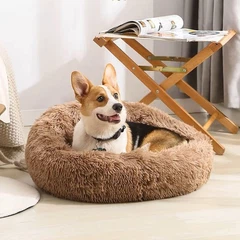
Let's start with the small dog breeds. Breeds like the Toy Poodle, Yorkshire Terrier, and Shih Tzu are often lap dogs. They are small in size, which makes them seemingly ideal candidates for kennels. For these petite pups, a Plush Dog Kennel can be a wonderful home. These kennels offer a soft and cozy environment that mimics the warmth of cuddling up with their owners. The plush material provides comfort and insulation, which is crucial for small dogs that can lose body heat quickly. The enclosed space of the kennel also gives them a sense of security, which is particularly important for small dogs that may feel vulnerable in a large open area.
However, small breeds can also have high - energy levels. They need regular exercise and mental stimulation. Even though a kennel can be a safe haven for them, they should not be confined to it for extended periods. Owners of small breeds should ensure that their dogs have enough time outside the kennel for playtime, walks, and socialization. Otherwise, they may become bored, which can lead to behavioral problems such as excessive barking or chewing.
Moving on to medium - sized dog breeds like the Cocker Spaniel, Border Collie, and Australian Shepherd. These breeds are generally more active and intelligent. They require ample space to move around and engage in physical activities. A Corduroy Dog House can be a great option for them. Corduroy is a durable material that can withstand their rough play. The larger size of a typical dog house designed for medium - sized breeds allows them to stretch, turn around, and even lie in different positions comfortably.
Medium - sized dogs are also known for their herding or hunting instincts. They need mental challenges to keep their minds sharp. Kennels can be equipped with puzzle toys or treat - dispensing toys to keep these dogs occupied when they are inside. But again, the kennel should not replace outdoor activities. Regular walks, runs, and games of fetch are essential for their well - being.
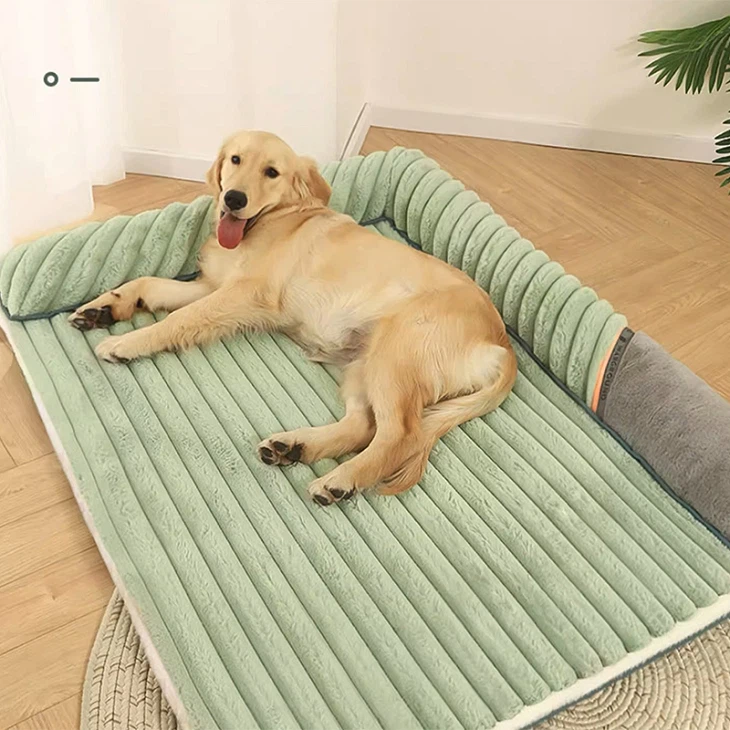
Large dog breeds present a different set of considerations. Breeds such as the German Shepherd, Labrador Retriever, and Great Dane have specific physical and behavioral needs. They are big and powerful, so they need a sturdy and roomy kennel. A Plush Dog Kennel that is appropriately sized and made from high - quality, durable materials is a must. These dogs often have a lot of energy, especially when they are young, and they can easily damage a flimsy kennel.
Moreover, large breeds are prone to certain health issues such as joint problems. The kennel should have a soft and supportive bedding to reduce the pressure on their joints. Some large breeds also tend to drool a lot, so the kennel should be easy to clean to maintain a hygienic environment.
However, large dogs are also very social animals. They thrive on human interaction and companionship. A kennel should never be used as a long - term isolation device. If a large dog is left alone in a kennel for too long, it may develop separation anxiety, which can lead to destructive behavior or depression.

There are also some specialized breeds that have unique requirements. For example, the Siberian Husky is a working breed originally bred for pulling sleds in cold climates. They have a thick double coat that keeps them warm in freezing temperatures. In a kennel, they need good ventilation even in cold weather to prevent overheating. Additionally, their high - energy and strong prey drive mean they need plenty of outdoor space to run and explore.
On the other hand, Bulldogs are a brachycephalic breed, which means they have short muzzles. This can lead to breathing difficulties, especially in hot and humid environments. Their kennel should be well - ventilated and kept in a cool place to ensure their comfort and safety.
In addition to breed - specific needs, the age of the dog also plays an important role. Puppies are full of energy and curiosity. They need a kennel that is safe and free of hazards. It should be large enough for them to move around but not so large that they can use one corner as a toilet and sleep in another. As they grow, their kennel requirements will change. Older dogs may have more health issues and may need a softer bedding and easier access to the kennel.
In conclusion, while kennels can be a great addition to the lives of many dogs, they are not one - size - fits - all. Each dog breed has its own set of physical, behavioral, and emotional needs that need to be considered when choosing a kennel. As a kennel supplier, I am committed to providing dog owners with the information and products they need to ensure the well - being of their furry friends. Whether you have a tiny Chihuahua or a massive Great Dane, we have a range of kennels to suit your dog's specific requirements.
If you're interested in learning more about our kennel products or are ready to make a purchase, I encourage you to reach out for a procurement discussion. We can work together to find the perfect kennel solution for your beloved dog.
References
- Serpell, J. (1995). The Domestic Dog: Its Evolution, Behavior and Interactions with People. Cambridge University Press.
- Horwitz, D. F., Hecht, S., & Voith, V. (2009). Canine Behavior and Training. Saunders Elsevier.